DBECats.com
Where science meets responsible breeding
Beyond the Blue Eyes
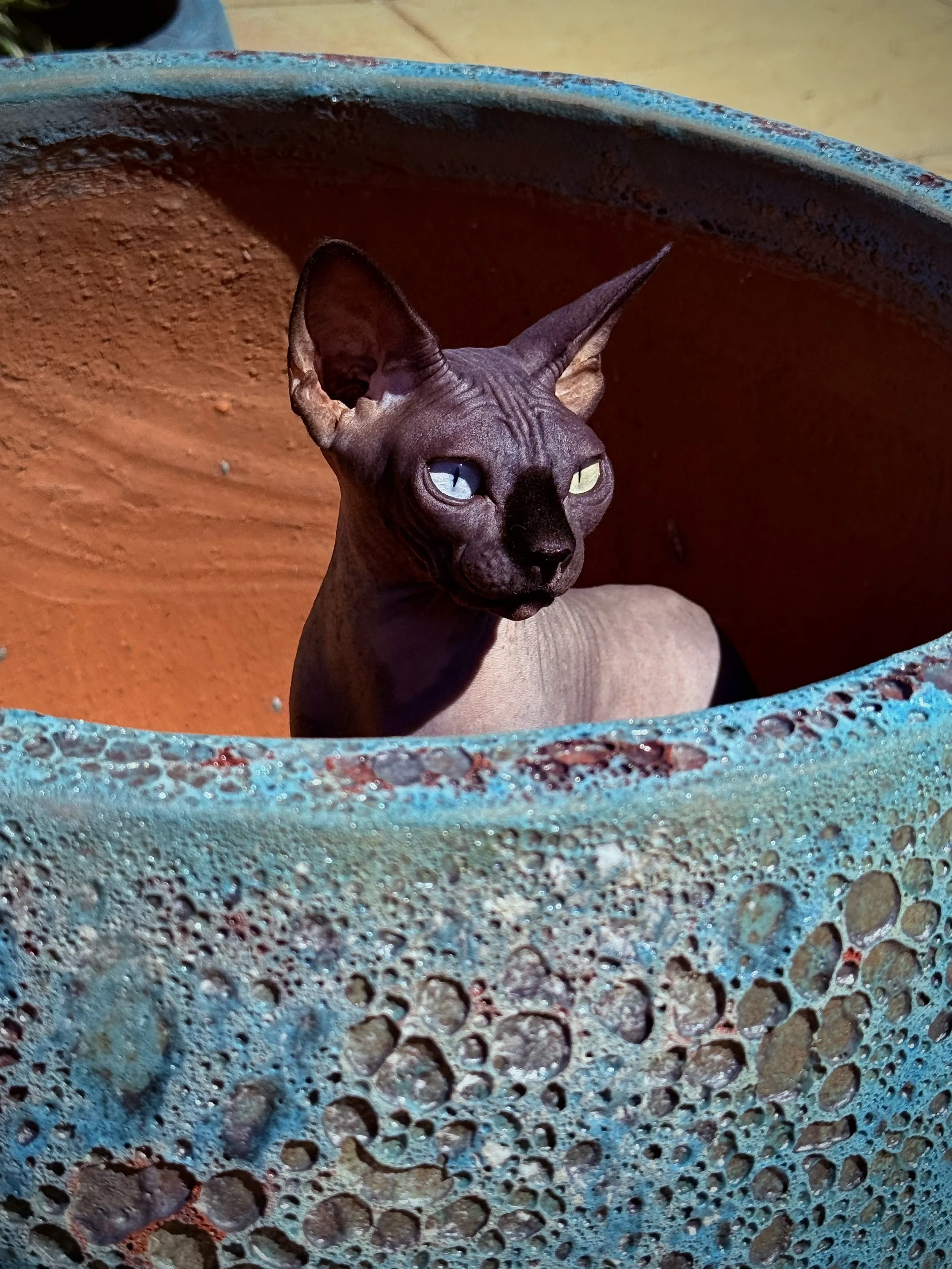
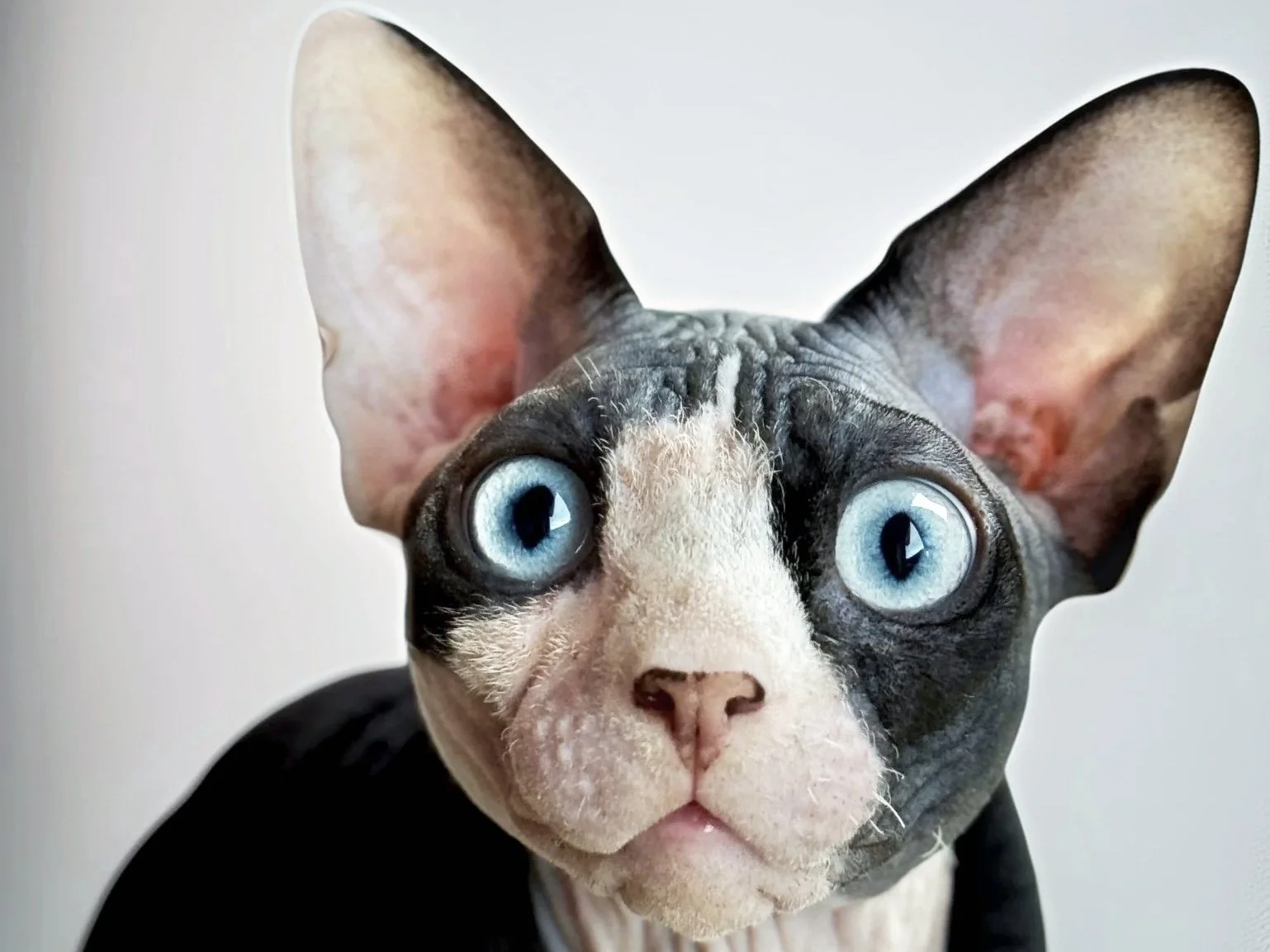
Dominant Blue Eyes in cats — commonly known as DBE — is not a single mutation. It is caused by multiple variants in the PAX3 gene. DBE cats may present with blue eyes, odd eyes, sectoral heterochromia or white markings ranging from minimal spotting to extensive depigmentation, but appearance alone cannot identify the underlying variant.
Current peer-reviewed research has characterised six PAX3-associated variants linked to Dominant Blue Eyes in cats. Additional variants have also been identified, including two detected through PetGeno in China, but these have not yet been formally characterised in the scientific literature.
Each DBE variant can differ in its genomic location, molecular mechanism and potential health implications. Understanding which variant is present is essential for accurate interpretation of research, health considerations and responsible breeding decisions.
PAX3-associated white markings, variable eye colour and differences in hearing outcomes across variants mean that treating all DBE cats as a single group oversimplifies a far more complex genetic landscape.
About DBECats.com
DBECats.com is an independent educational platform dedicated to the genetics of Dominant Blue Eyes (DBE) in cats.
The platform was established to provide an evidence-based resource focused on the rapidly evolving science of feline DBE genetics.
Rather than treating all DBE cats as genetically identical, DBECats.com reflects the growing body of research demonstrating that Dominant Blue Eyes comprises multiple genetically distinct variants, each of which should be evaluated according to its own biological mechanism and the available scientific evidence.
By presenting current research in a clear, balanced and accessible way, DBECats.com aims to support accurate interpretation, responsible breeding practices and informed discussion within the international cat community.
Our mission is simple: to promote scientific accuracy, encourage critical thinking and make reliable, evidence-based information accessible to breeders, judges, veterinarians and cat owners worldwide.